Why Secure Vehicle Identity Matters More Than Ever in the UK
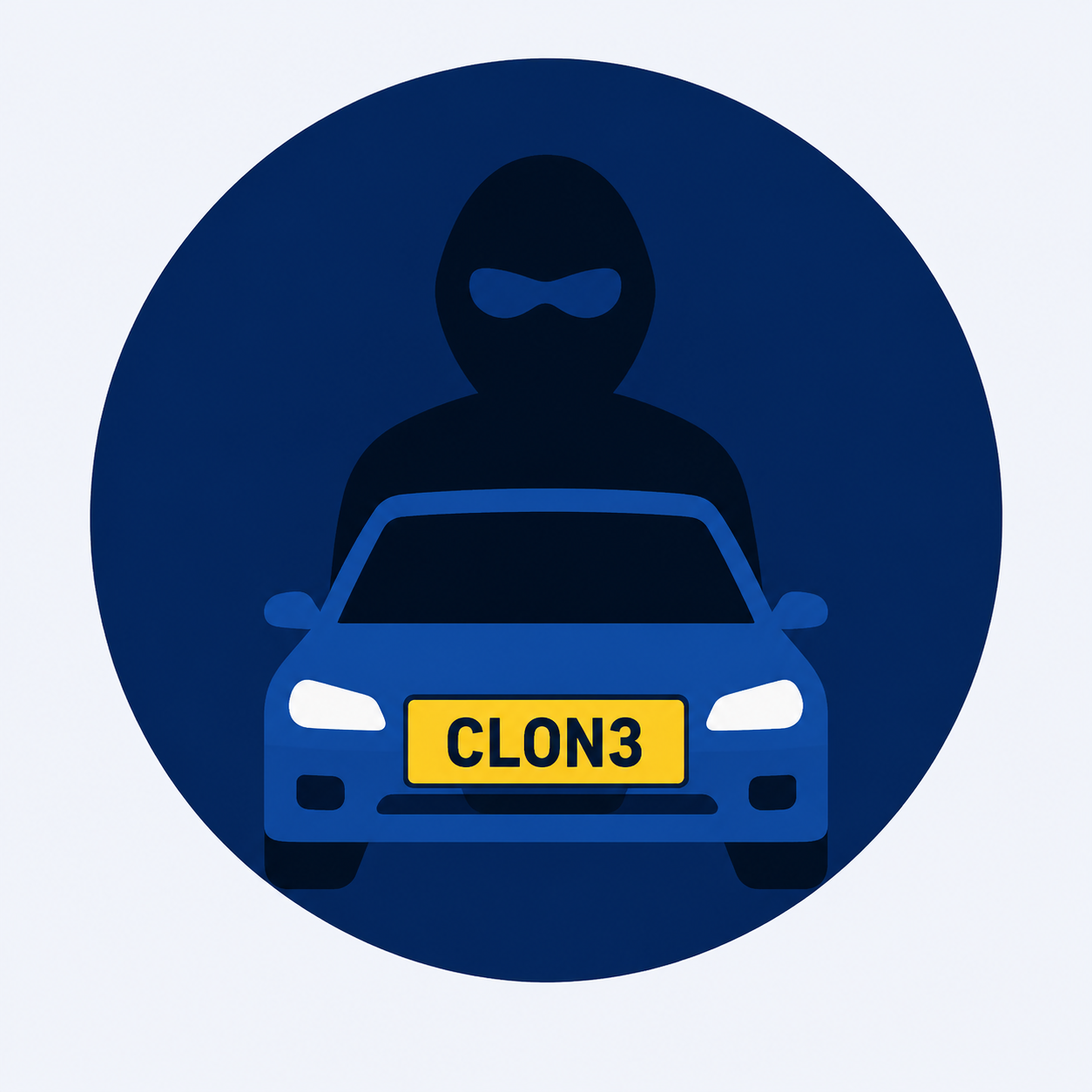
Number plate cloning is not a new problem, but it has become far more common than most drivers realise. Criminals copy a legitimate registration mark from a car of the same make, model and colour, then attach it to an identical vehicle used in crimes such as fuel theft, speeding, toll evasion and even serious organised crime. The legitimate owner receives the fines, penalty points and court summons. Proving it was not you can take months of paperwork, police reports and stress.
The core of the issue is that a number plate alone is not a secure vehicle identity. Plates are cheap to produce and easy to replace. A printed piece of reflective plastic carries no link to the vehicle it is supposed to belong to. When a cloned plate is spotted by an ANPR camera, the system reads the characters correctly and looks up the registered keeper. The system has no way of knowing that the plate is attached to the wrong car. That is why the concept of a secure vehicle identity Protect-A-Plate offers is so relevant. It moves the verification process beyond the plate itself and adds a layer that criminals cannot easily bypass.
How cloning works and why it is hard to stop
Cloning is not sophisticated. A criminal finds a car that looks like their own vehicle, notes the registration number, and orders a set of replica plates from an online supplier. Many suppliers ask for a document as proof of entitlement, but enforcement is patchy and checks can be faked. For around twenty pounds, the criminal gets plates that look identical to the original from a few metres away. Police officers on the roadside rely on ANPR to flag cloned plates, but the system only works if the original keeper has already reported the cloning and the marker is in the database. By the time the victim notices something is wrong - a penalty charge notice arriving, a letter from a debt collection agency - the criminal has often moved on to a new plate.
The victim is left to prove a negative: that their car was elsewhere at the time of the offence. That requires evidence such as dashcam footage, GPS logs, witness statements or alibis. Even with that evidence, the process of getting the fines cancelled and the marker removed from the record can take months. The DVLA and police do take the issue seriously, but they need a way to verify identity that does not rely on the plate alone.

What makes a vehicle identity secure?
A truly secure vehicle identity ties the registration mark to something that cannot be easily copied. That something might be a physical feature of the vehicle itself, a digital certificate stored in a tamper-resistant unit, or a verification network that checks the plate against a known profile before an offence can be attributed. In the UK, the police already use a system called the Police National Computer to check vehicles, but that check is reactive. It happens after the camera reads the plate. The gap is the lack of a proactive identity check at the point of the ANPR read.
A secure vehicle identity Protect-A-Plate approach addresses that gap by creating a registered profile for each vehicle that includes identifying characteristics beyond the plate. Those characteristics might include the vehicle identification number, the exact shade of the paint, the presence of specific aftermarket modifications, or a unique marking applied to the windscreen or body panels. When the ANPR camera reads a plate, it can cross-reference the profile and flag any discrepancy. If the plate matches one vehicle but the profile does not match the vehicle being read, the system raises an alert. That alert can be sent to the registered keeper in real time, giving them a chance to act before the fines accumulate.
Why relying on the plate alone is risky
Many drivers assume that their registration document and the plate on the car are enough to prove ownership. They are not. The registration document shows who the registered keeper is, but it does not prevent a criminal from cloning the plate. The plate is just a visual identifier. It has no cryptographic or physical link to the vehicle. That is why a cloned plate can pass through an ANPR system without raising any alarm. The system sees the characters, looks up the keeper, and moves on. It does not ask whether the car carrying that plate is the same car that was issued that plate at the factory.
The only way to close that loophole is to add a second factor to the identity check. That second factor can be something the vehicle carries - a unique code, a marking, or a digital tag - that the ANPR system can verify. This is the principle behind a secure vehicle identity Protect-A-Plate. It adds a layer of verification that does not rely on the plate itself. Even if the plate is copied, the second factor will not match, and the system can flag the anomaly.

What drivers can do right now
While the technology for universal secure identity is still being adopted, there are practical steps drivers can take to reduce the risk of being cloned. These steps do not replace a verification network but they buy time and create a paper trail.
- Take clear photographs of your vehicle from all angles, including close-ups of any distinguishing marks, scratches, or aftermarket parts. Store these safely. They become evidence if you need to prove your car is not the one in a camera image.
- Check your vehicle registration document and make sure your address is up to date. If you receive a penalty notice for an offence you did not commit, respond in writing immediately and ask for photographic evidence from the camera.
- Consider fitting a tamper-resistant plate fixing kit. While this does not prevent cloning, it makes it harder for a criminal to steal your plates and use them directly. Cloning relies on copying the characters, not physically stealing the plate, but every extra obstacle helps.
- If you buy a used car, check that the VIN on the vehicle matches the VIN on the registration document. A mismatch can indicate that the car has been cloned or is a write-off that has been repaired and re-identified.
- Report any suspected cloning to the police and the DVLA as soon as you receive the first suspicious letter. The quicker a marker is placed on the record, the fewer fines you will have to contest.
The wider picture: why secure identity benefits everyone
Secure vehicle identity is not just about protecting individual drivers from the hassle of contested fines. It has wider benefits for road safety, law enforcement and the insurance industry. When a vehicle can be reliably identified, it becomes harder for criminals to use cloned plates to avoid detection for more serious offences such as drug running, human trafficking or organised theft rings. The police can focus their resources on vehicles that cannot be verified rather than chasing down false leads generated by cloned plates.
Insurance companies also stand to gain. Currently, claims involving cloned vehicles are difficult and expensive to investigate. A secure identity system would allow insurers to verify the vehicle at the point of a claim, reducing fraud and potentially lowering premiums for honest drivers. The savings would be modest but real, and they would come without the invasive tracking that some drivers worry about.
What about privacy?
Any system that adds verification layers raises questions about data collection and surveillance. A well-designed secure identity scheme does not need to track every movement of a vehicle. It only needs to verify the identity at the moment the plate is read. The profile data can be stored securely and accessed only when a discrepancy is detected. The goal is not to watch drivers but to protect them from the consequences of a crime they did not commit. Drivers who value their privacy can weigh that against the months of stress that come from fighting a cloned plate case.
Where the UK stands today
The UK already has one of the most extensive ANPR networks in the world. The technology to add a secure identity layer exists and has been tested in pilot schemes. The challenge is adoption. Not all vehicles carry the necessary markings or tags, and not all camera operators have the equipment to read them. The transition will take time and cooperation between the DVLA, police forces, and private companies that operate camera networks. But the direction is clear. A number plate alone is no longer enough to prove who a vehicle is. The future of vehicle identity is a multi-factor system where the plate is just one part of the picture.
For now, the most practical step a driver can take is to stay alert and use the tools that are already available. A secure vehicle identity Protect-A-Plate is not a fantasy. It is a working concept that has already helped drivers avoid the worst consequences of cloning. As more people become aware of the gap in the current system, the demand for better verification will grow. The technology is ready. The rest is a matter of will.
 Twitter
 Facebook
 Instagram